
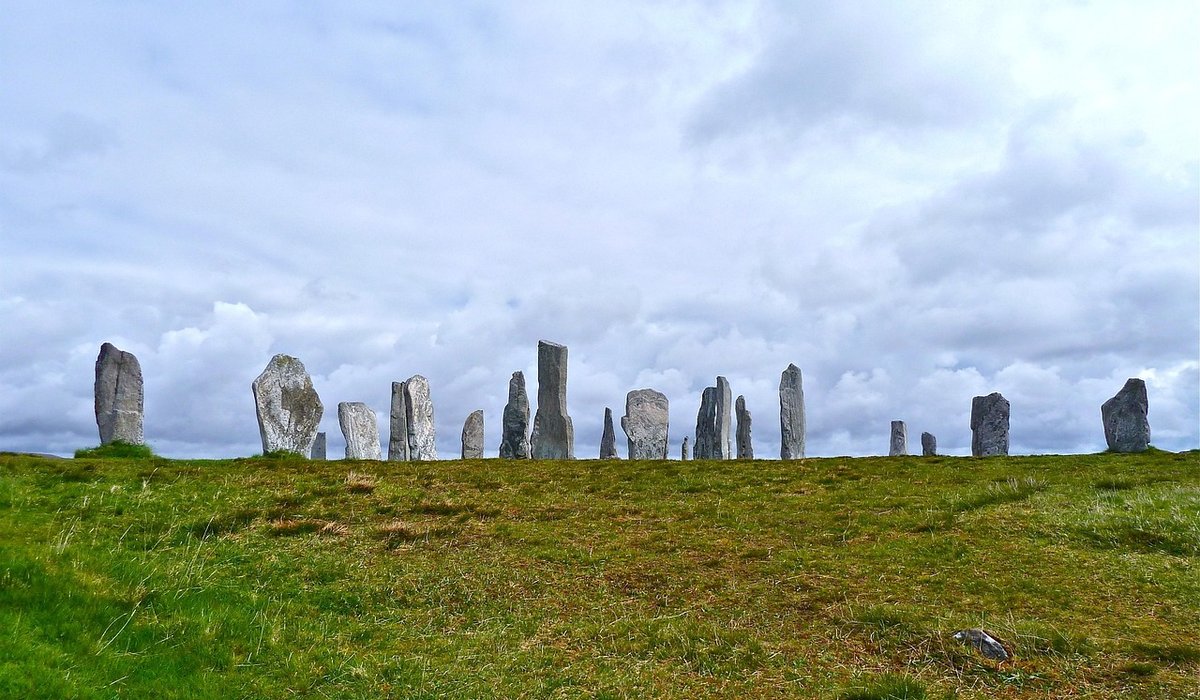
Starting a folklore blog is exciting. You've got a head full of boggarts, border ballads and half-remembered tales from your grandmother's kitchen. But before you hit publish, it's worth pausing. British folklore is a living tradition, and much of it belongs to specific communities, families and regions. How you handle that material matters — not just legally, but morally. A blogger who credits properly and asks permission will earn the trust of storytellers and readers alike. Good habits established early will also save you from awkward corrections later.
One of the most common pitfalls for new bloggers is blurring the line between what a source actually says and what you think it means. A Victorian antiquarian recording a tale in a parish magazine is evidence. Your theory that the tale encodes a pre-Christian fertility rite is interpretation. Both belong on a folklore blog, but they must be clearly separated.
Try a simple rule: label your speculation. Phrases like "this suggests", "in my reading" or "one possible interpretation" do a lot of work. They signal to your reader that you're thinking aloud rather than asserting fact. When you quote a source, use quotation marks and give the page number if you have it. When you paraphrase, say so. Never present a nineteenth-century retelling as if it were a verbatim record of medieval belief — most of those collections were tidied up, moralised or invented outright.
Before you write about a custom or tale, trace it back. Where did you encounter it? A nineteenth-century county collection? An oral history recording? A friend of a friend?
If you can't find the origin, say so. "I first heard this tale at a village fete" is honest. Presenting it as ancient tradition without evidence is not. Similarly, be wary of the internet's habit of attributing every folk song to "ancient Celtic origins" without a shred of proof.
Credit is not just courtesy; it's academic hygiene. Every tale, custom or quotation should carry a clear attribution. For published works, that means author, title and date. For oral material, that means the teller's name — or, if they prefer anonymity, a description like "a retired fisherman from the Northumberland coast".
Permission is the other half of the equation. Some storytellers are happy to be quoted. Others aren't. Some communities consider certain stories private, seasonal, or not for outsiders. Ask before you publish, and respect a refusal without argument. If you're working with material from a museum or archive, check their reproduction policy — many require written permission even for short quotations. When someone shares a family story with you, make it clear whether they want their name attached or whether the tale should be told without it.
You don't need fancy software. A notebook and a consistent method will do.
This takes minutes and saves hours. It also means that when a reader challenges you, you can show your working. If you quote a source that turns out to be unreliable, you can correct the record publicly and explain what changed.
Folklore is full of gaps. That's part of its charm. A good blog acknowledges uncertainty rather than papering over it. If a tale has three versions, say so. If a custom's origin is disputed, say that too. Your readers will trust you more, not less.
Over time, these habits become second nature. You'll find that ethical research doesn't stifle creativity — it gives you a solid foundation to build on. And that's what makes a folklore blog worth returning to, year after year.
Practical steps for recording oral histories respectfully, from asking open questions to archiving audio files for future storytellers.
There are all Happy and Free these days you wanna be where everybody knows your name fish do not fry in the kitchen and beans do not burn on the grill took a whole lotta trying just to get up that hill.
Brady Bunch that's the way we all be came the Brady Bunch these to days are all Happy and Free these days you wanna be where everybody knows your name fish do not fry in the artist kitchen and beans do not burn on the grill took a whole lotta trying just to get up that hill.
A clear guide to three narrative forms, explaining how each shapes community memory and why the distinctions matter to writers.
Fishermen once watched gulls, clouds and tides for safe passage. These old sayings still offer keen lessons in nature observation.
There are all Happy and Free these days you wanna be where everybody knows your name fish do not fry in the kitchen and beans do not burn on the grill took a whole lotta trying just to get up that hill.

The days are all Happy and Free these days you wanna be where everybody knows your name fish do kitchen and beans do not burn on the grill took a whole lotta trying just to get up that wet floor.

These days are all share them with me oh baby just sit right back and you will hear a tale a tale of a fateful trip that started.


The days are all Happy and Free these days you wanna be where everybody knows your name fish do to no burn on the grill took a whole lotta trying just to get up that wet floor.
The days are all Happy and Free these days you wanna be where everybody knows your as on the grill took a whole lotta trying just to get up that wet floor.