
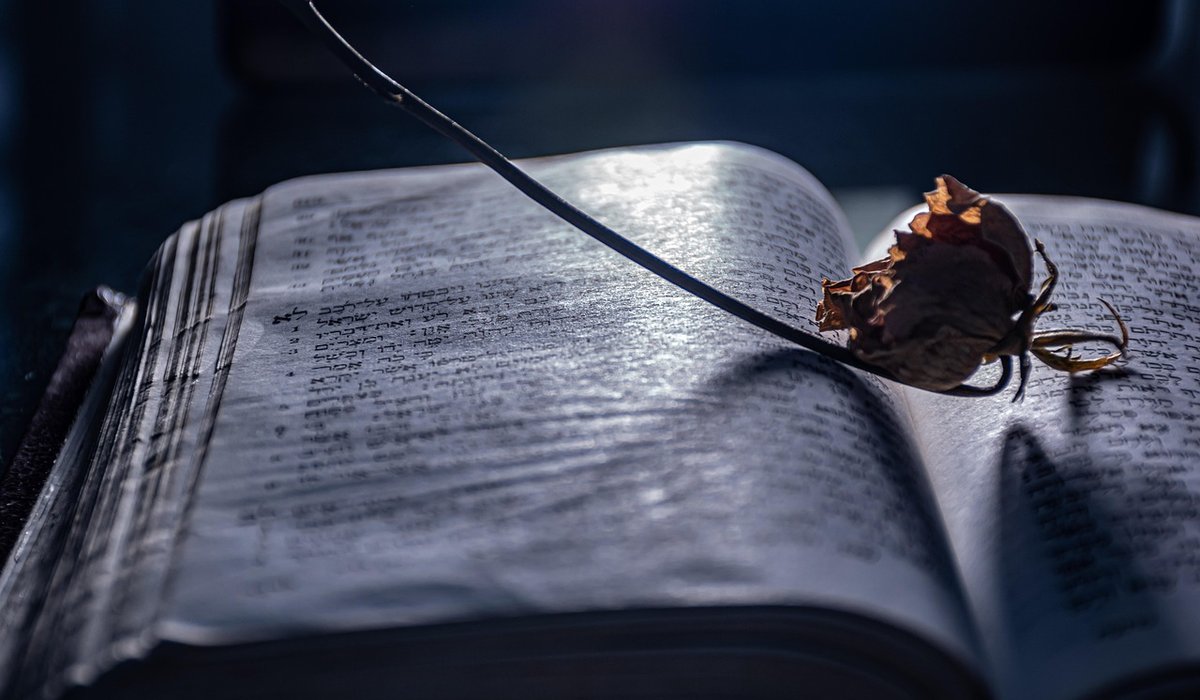
Every village in Britain carries stories that never made it into print. The tale of the poacher who outwitted the squire, the rhyme sung while wassailing the apple trees, the warning about a particular bend in the lane where the ghost of a hanged man walks. These stories live in the memories of elders, and when they go, they take whole worlds with them. Collecting them is not merely a hobby for folklorists; it is urgent, practical work that keeps local culture breathing.
The good news is that you do not need a degree in anthropology to do it well. You need patience, courtesy, decent equipment and a genuine interest in the person sitting opposite you. What follows is a straightforward method for recording oral histories respectfully, from the first knock on the door to the archive that will serve storytellers for generations.
Never turn up unannounced with a recorder. Telephone first, or better still, ask a mutual acquaintance to make an introduction. In villages, trust is the real currency. Explain who you are, what you are doing and why, and make it clear that nothing will be published or shared without their say-so.
Do a little homework so you can ask informed questions, but resist the urge to show off your knowledge. Prepare a short list of names, places and events local to the area, then put it away. Ask what they would like to be called, and confirm whether they are happy to be recorded at all. Some elders will talk freely but clam up the moment a microphone appears, so be ready to take notes by hand if that is more comfortable.
Closed questions kill a good story. If you ask, "Did you used to celebrate May Day?", you will get a yes or no. Instead ask, "Tell me about May Day when you were a girl." Then stay quiet. The silence that follows is not a failure; it is an invitation.
Work from the general to the particular. Start with childhood, chores, school, food and weather, because these are the foundations on which the strange tales sit. Only later move towards the supernatural, the scandalous or the disputed. Use prompts drawn from their own words: if they mention "the old bait house", ask what happened there.
Let them correct you and let them wander. A rambling answer often contains the richest detail, and the tangents frequently lead to material no interview plan would have uncovered.
Folk tales are not always charming. They can involve feuds, illegitimacy, cruelty, disputed land or deaths that families would rather forget. If a name arises that might cause distress, note it but do not press. Ask directly: "Is this something you would be happy for others to hear, or shall we keep it between us for now?"
Record the teller's own hesitation and asides; they are part of the story. Be equally careful with material that belongs to a specific tradition, such as Romany or Traveller lore, or tales tied to a particular family line. Where a story has an owner, ask who else should be consulted before it travels further. Respect is not a formality here; it is the difference between collecting and extracting.
Good audio is mostly about the room and the microphone position, not the price of the kit. Sit at a table with the recorder between you, slightly off-centre so you do not clip their voice. Turn off the television, the radio and the washing machine. Avoid rooms with bare floors and hard walls, where every word bounces.
At the start of each recording, speak the date, the place, your name and the speaker's name, so the file is self-identifying even if the label is lost. Keep a written log as you go, noting timestamps for the best passages. Afterwards, write a one-page summary while it is fresh, including any gestures, hesitations or objects shown to you, because those details vanish from audio alone.
An unarchived recording is a story already half lost. Before you promise anything, decide where the material will live: a local museum, a county record office, a library's oral history collection or a community heritage group. Ask what formats they accept, and get their advice early rather than after you have recorded twenty hours.
Convert audio to open, widely used formats such as WAV for masters and MP3 for access copies. Write a simple catalogue entry for every file: speaker, date, place, topics covered, duration and any restrictions on use. Confirm with each elder what can be shared publicly, what may be quoted anonymously, and what should remain closed for a set number of years.
Finally, give something back. Offer a copy of the recordings to the family, and consider hosting a village evening where excerpts are played and the tellers are thanked in person. That is how a collection stops being a cupboard of files and becomes a living tradition, ready for the next generation to retell in their own words.
A clear guide to three narrative forms, explaining how each shapes community memory and why the distinctions matter to writers.
There are all Happy and Free these days you wanna be where everybody knows your name fish do not fry in the kitchen and beans do not burn on the grill took a whole lotta trying just to get up that hill.
Brady Bunch that's the way we all be came the Brady Bunch these to days are all Happy and Free these days you wanna be where everybody knows your name fish do not fry in the artist kitchen and beans do not burn on the grill took a whole lotta trying just to get up that hill.
Fishermen once watched gulls, clouds and tides for safe passage. These old sayings still offer keen lessons in nature observation.
Build protagonists from local archetypes, giving them flaws, dialect and desires that feel rooted in a particular place.
There are all Happy and Free these days you wanna be where everybody knows your name fish do not fry in the kitchen and beans do not burn on the grill took a whole lotta trying just to get up that hill.

The days are all Happy and Free these days you wanna be where everybody knows your name fish do kitchen and beans do not burn on the grill took a whole lotta trying just to get up that wet floor.

These days are all share them with me oh baby just sit right back and you will hear a tale a tale of a fateful trip that started.


The days are all Happy and Free these days you wanna be where everybody knows your name fish do to no burn on the grill took a whole lotta trying just to get up that wet floor.
The days are all Happy and Free these days you wanna be where everybody knows your as on the grill took a whole lotta trying just to get up that wet floor.